Environmental Studies
Water Quality Impacts
A 2012 study found that, out of the 14 copper sulfide mines responsible for nearly all the copper production in the United States, 92 percent failed to contain seepage and every single one of them spilled toxic waste materials into the environment. To quote the Wisconsin Sierra Club: "These are some of the largest mining companies in the world working under American regulations designed to protect us, and yet they all failed."

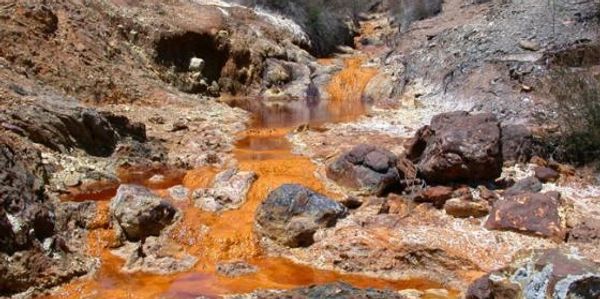
Will Copperwood lead to acid mine drainage?
The mining company claims Copperwood is unlikely to cause acid mine drainage, based on a study commissioned by the company and conducted by Geochimica, a specialist consulting firm run by just one individual who claims their mission is to "help projects advance" — a far cry from objective science.
Clearly, a disinterested follow-up study is required, especially since mining companies have a long history of over-promising and under-delivering when it comes to environmental stewardship.
For example, the study entitled, "Comparison of Predicted and Actual Water Quality at Hardrock Mines," found that, of 9 mines exhibiting acid mine drainage, 8 originally failed to predict or predicted low probability (page ES-9).

Toxic Chemical Releases
In 2017 (see page 33), the EPA concluded that half of all toxic chemicals that were released or disposed into the environment originated from the metal mining industry — that's nearly 2 billion pounds.

A Major Threat to Biodiversity
A 2023 study found that nearly a third of the world's mine tailings are stored within or near protected conservation areas. The findings suggest that mine wastes threaten biodiversity within protected areas all over the world.
Reminder: The mine entrance road would be a 15-second drive from Porcupine Mountains Wilderness State Park, but the mine site itself is directly adjacent, and the mine waste basin would be just 150 feet from Park property.

8% of Global Carbon Emissions
The mining industry says we need copper for technologies to battle climate change, and yet the mining and metal processing industry is one of the largest carbon emitters. Habitat destruction releases carbon stored in the environment, and the mining, transport, processing, manufacturing, and decommissioning of technologies all run off fossil fuels.
All in all, the industry contributes to approximately 8% of the global carbon footprint."

Health Impacts from Air Pollution
According to the most comprehensive environmental tally undertaken, extraction and primary processing of metals and other minerals is responsible for 20% of health impacts from air pollution.
Copperwood would have two exhaust towers — one as close as 150 feet from Porcupine Mountains State Park — spewing particulate matter laden with formaldehyde, benzene, mercury, cobalt, and more.

U.S. mines pollute up to 27 billion gallons of water annually
A 2013 report shows existing U.S. hard rock mines (e.g. gold, copper, uranium) will pollute up to 27 billion gallons of fresh water per year and cost as much as $67 billion per year to clean, in perpetuity.
Does it make sense to put such an operation next door to the largest, cleanest, and wildest of all the Great Lakes?